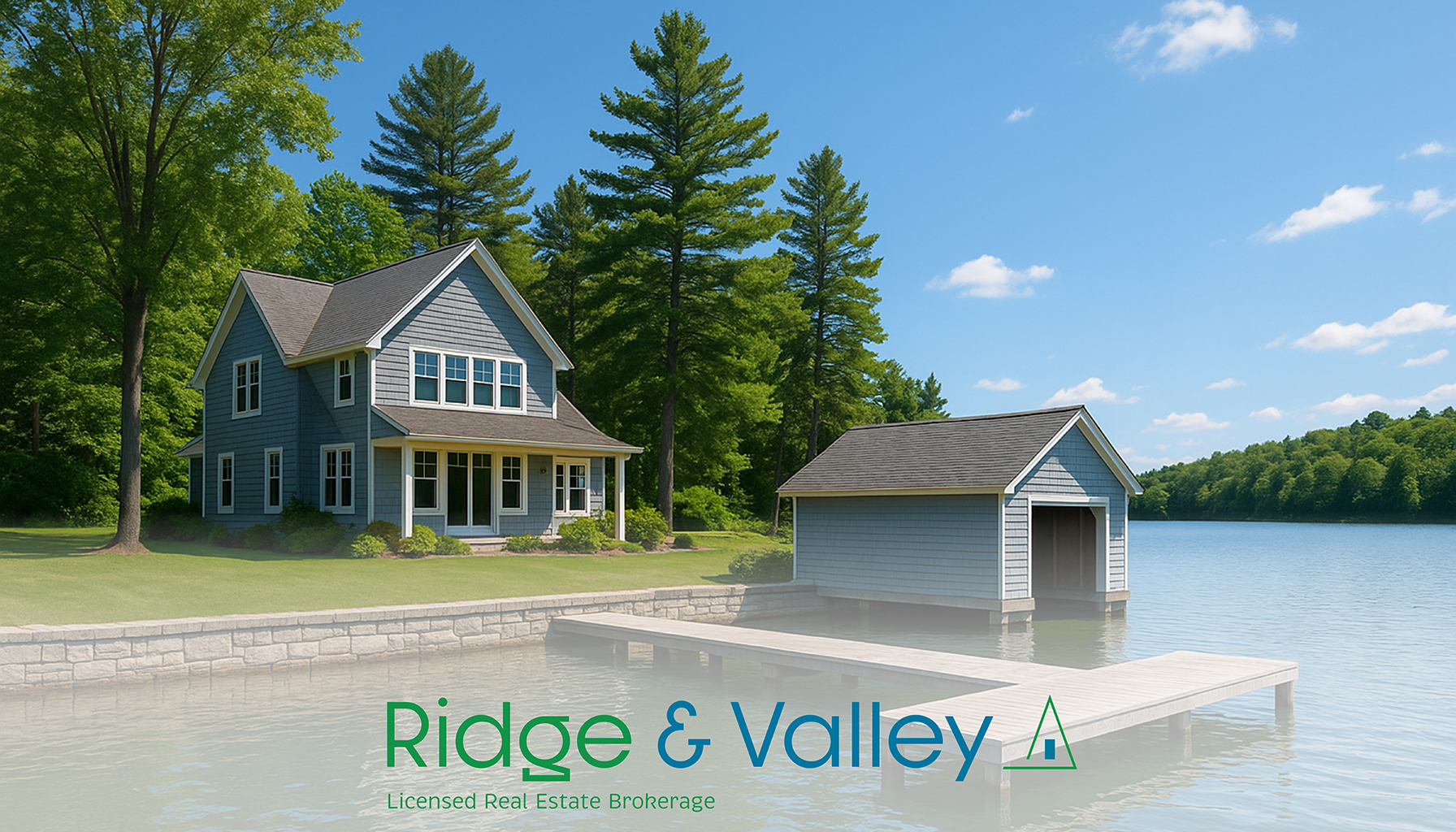
A home on the water offers scenic views and recreational opportunities, but it also comes with unique considerations. From understanding property boundaries and riparian rights to dealing with flood insurance and maintenance in a marine environment, prospective buyers should be well-informed. This guide explores the key topics unique to purchasing a single-family waterfront home in NY or NJ. The goal is to help you make a confident decision, balancing the dream of waterfront living with the practical challenges and responsibilities the lifestyle entails.
Property Boundaries and Water Access
Ownership of property along navigable waterway carries “riparian” rights on flowing rivers and “littoral” rights on lakes, bays, and the ocean. These rights entitle the homeowner to reasonable access, boating, and wharfage directly in front of the parcel, but they are not absolute. They yield to federal and state oversight, environmental permitting, and the centuries‑old Public Trust Doctrine, which guarantees the public’s ability to boat, fish, and traverse navigable waterways & tidal beaches below the high‑tide line. Consequently, a buyer should not expect to bar the public from the water itself, and beachgoers in New York & New Jersey may lawfully traverse seaward of the natural debris line even on “private” strands.
Before you submit an offer, insist on a current boundary survey that locates the mean high‑water mark and any existing easements, plus confirm whether existing piers, lifts, or moorings are compliant with local, state & federal regulations. Engaging a real‑estate attorney who regularly handles waterfront transactions in NY or NJ will help you verify title to underwater lands, understand permitting obligations. Clear documentation up front preserves both the investment and the enjoyment you expect from a waterfront home.
Navigability and Choosing the Right Waterway
Waterfront appeal hinges on how and where you can use the water. A “navigable” waterway allows you to launch a boat at your shoreline and travel to other waters without obstruction. That capability commands a premium; navigable access can add six‑figure value over similar frontage on non‑navigable waterways. Before you buy, match the waterbody to your lifestyle. Power‑boating, waterskiing, or sailing require a lake or river that permits motors and lacks low bridges, locks, or shallow channels between you and larger waters. Anglers or paddlers might prefer a quiet, horsepower‑restricted lake or a calm river reach.
Governance matters; regional lakes (such as bi‑state Greenwood Lake) are overseen by commissions that set vessel size, speed, invasive‑species protocols, and fishing regulations. Rivers like the Hudson or Delaware fall under federal and state jurisdiction, adding layers of permitting for docks and moorings. Confirm all rules before writing your offer so your intended activities are feasible.
Seasonality can also influence usefulness. Some freshwater lakes conduct winter drawdowns to control weeds or protect shorelines, leaving docks temporarily high and dry. Others freeze solid, curtailing boating for months. Tidal rivers and bays experience daily water‑level swings and may see stronger currents or ice floes in winter. Ask sellers, marinas, or local authorities about year‑round conditions, including flood histories and dredging schedules. The right waterfront is one that supports your vision—whether that means weekend wakeboarding runs, evening sails to a marina restaurant, or paddleboard sessions at sunrise.
Docks, Piers, and Boating Facilities
For many waterfront homebuyers, access to a private dock or pier is part of the dream – a place to moor your boat, fish, or just enjoy the water up close. It’s important to know that dock construction and use are often heavily regulated. The ability to build or even significantly repair a dock will depend on local zoning laws, state environmental regulations, and sometimes federal rules. Before buying a property (especially one that currently lacks a dock), do your homework: check with local authorities or the state DEP/DEC whether a dock is permissible. In some areas, new docks may be banned or limited to protect sensitive ecosystems or due to congestion. You may need multiple permits – for example, New Jersey waterfront owners on tidal waters often must get a waterfront development permit or a tidelands license, and New York owners might need an Office of General Services (OGS) license for structures beyond the high-water line. Permit processes can be detailed and lengthy, involving environmental impact reviews and public notice periods. Understanding these rules before purchasing will manage your expectations and prevent disappointment if you envision adding a dock where one isn’t feasible.
If the property already has a dock or bulkhead, include it in your inspections. Ensure the structure is in good condition and was built with proper permits. An aging dock or seawall can be expensive to repair or replace, and doing so will likely require permits. Pay attention to the materials: in saltwater areas, docks and hardware should be marine-grade (stainless steel, pressure-treated or composite lumber, etc.) due to the corrosive salt air, whereas freshwater docks may not face salt corrosion but still endure constant moisture and occasional ice. In regions with cold winters (many NY/NJ lakes), ask how docks are managed, are they built to withstand ice pressure? Some lakefront owners take floating docks out before winter freeze or use bubbling systems to prevent ice damage to permanent docks. Confirm if the property’s dock is private and exclusive to you; on some shared lakes, there are community docks or easements allowing neighbor access. Also inquire about any boat restrictions: for example, certain communities or lakes might restrict the number of docks, boat sizes, or require registration of boats with a lake authority. If you cannot have your own dock, find out if there are nearby marinas or public docks as an alternative for boat access. In short, a waterfront home’s value and usability are often tied to the ability to moor watercraft – ensure you have clarity on what’s allowed and the condition of existing waterfront structures.
Environmental and Water Quality Considerations
The quality of the water and the surrounding environment is more than just an aesthetic concern – it affects your enjoyment, your health, and even your property value. A picturesque lake that turns into algae soup each summer or a river with industrial pollution will diminish the joy of waterfront living. Buyers should research the water quality of the adjacent waterway. Look for any history of problems such as algae blooms, high bacteria counts, fish die-offs, or contamination. In recent years, some NJ and NY lakes have experienced seasonal harmful algal blooms that temporarily restrict swimming and boating. Check with local environmental agencies or water quality boards for data. If the property is on a community lake, there might be a lake association or commission that handles weed control (e.g., using herbicide treatments or weed harvesting) and water level management. Ask the seller and neighbors about water conditions throughout the year – are there unpleasant odors, excessive weeds, or murky water in certain seasons? A property with persistently poor water quality can not only impact your recreation but also hurt resale value over time.
Beyond water quality, consider broader environmental factors and regulations. Waterfront homes often abut environmentally sensitive areas like wetlands, dunes, or floodplains. These areas might be protected by state or federal law, meaning there could be buffer zones where you cannot build or alter the landscape. For instance, coastal NJ properties may fall under CAFRA regulations (Coastal Area Facility Review Act) which govern development near shorelines, and NY properties near wetlands or in the Adirondack Park have their own strict rules. Before planning any expansions, tree removal, or shoreline alterations, check if any part of the lot is designated as protected wetland or habitat. Keeping some natural vegetative buffer along the water is often encouraged or mandated, as it helps prevent erosion and filter runoff.
Flood Risks, Storms, and Insurance Costs
Flood exposure is a financial as well as a safety issue—plan for both. Begin by reviewing the seller disclosures for past water intrusions, then verify with municipal records or prior flood‑insurance claims. Overlay that history with FEMA Flood Insurance Rate Maps: homes in Special Flood Hazard Areas (Zones A/AE for flooding, Zones V/VE for coastal wave action) face the highest risk. If mortgaged, these properties must carry flood insurance. Even properties outside the mapped zones can flood during cloudbursts, dam releases, or ice jams, so review topography, drainage patterns, and nearby water‑control structures.
Mitigation pays dividends; elevated foundations, flood vents, breakaway enclosures, sump pumps with battery backup, and raised mechanical systems reduce both damage and premiums. Ask to see elevation certificates and any engineering reports that document compliance; insurers and lenders often require them. Where mitigation is absent and risk is extremely high, factor retrofit costs (lifting a house or relocating utilities) into your offer.
Standard homeowners policies exclude flooding, so a separate policy through the National Flood Insurance Program (NFIP) or from the private market is essential. Premiums vary widely based on elevation, construction type, and FEMA’s Risk Rating methodology. For up‑to‑date estimates, consult the NFIP rate tables on FEMA.gov, review guidance from the New Jersey Department of Banking & Insurance (NJDOBI) or New York Department of Financial Services (NYDFS), and seek quotes from a licensed insurance broker who specializes in waterfront properties. Coastal buyers should also examine their homeowner’s policies for wind or hurricane deductibles, which are typically outlined in the policy declarations and can represent a significant percentage of dwelling coverage.
Budget realistically, add projected flood and wind premiums, plus a contingency for storm‑related repairs, to your annual ownership costs when comparing waterfront. Accept that severe events are a “when,” not an “if,” across much of New York and New Jersey’s shoreline and river corridors. By combining thorough due diligence with smart risk‑management measures, you can enjoy the rewards of waterfront living while protecting both asset value and peace of mind.
Maintenance and Structural Considerations
Waterfront homes require a higher level of ongoing maintenance. Water, in all its forms, is hard on buildings. Homes in close proximity to water experience higher moisture levels, more sun and wind exposure, and (for coastal homes) salt and sand abrasion. Even if materials are marketed as “weather-resistant,” salt has a way of speeding up corrosion; inspectors in coastal areas often find that deck fasteners, nails, metal railings, light fixtures, and even concrete are significantly deteriorated from salt exposure within years. Freshwater lake houses don’t have salt to contend with, but they still face high humidity and frequent wetting (from rain, lake spray, or just proximity to a large water body) which can lead to issues like mold, mildew, and wood decay. In both cases, exterior surfaces and fixtures are prone to rust, deterioration, and erosion and will need vigilant upkeep. Expect to paint or stain more frequently, invest in stainless or galvanized hardware, and replace worn materials on a shorter cycle than you would inland.
When house-hunting, pay special attention to the structural integrity of decks and any waterfront-facing portions of the home. A deck over the water or along the shore should be built to higher standards because it is exposed to harsher conditions. Roof and siding materials are also critical, ask if the roofing system has been rated to withstand high winds. Likewise, are the windows and doors properly sealed against driving rain and either impact‑rated or shielded by storm shutters? Maintenance budgeting is key, waterfront homeowners often find themselves regularly power-washing mildew growth or salt residue, servicing HVAC systems more often, using dehumidifiers in basements or crawl spaces, and treating their decks and docks with sealant annually. Set aside funds and time for these tasks – it’s part of the bargain for the privilege of living by the water. It’s also wise to invest in preventative measures: for example, using an erosion control method (like adding riprap stones along an eroding bank or planting beach grasses on a dune) can save your land from slowly washing away. If you’re buying a seasonal home, remember to winterize it properly each year to prevent freeze damage. In summary, waterfront homes simply demand more attention, more frequent inspections and proactive repairs.
Community and Lifestyle Factors
When purchasing a waterfront home, you’re not just buying a house, you’re joining a community and adopting a lifestyle. Inland lake neighborhoods in New York and New Jersey often revolve around homeowner or lake associations that organize boat parades, fishing derbies, and beach clean‑ups while overseeing shared beaches and launch ramps. The result is a close‑knit, low‑key environment in which residents recognize one another on the water and value privacy on shore. Before committing, review governing documents to confirm dues, quiet‑hour policies, lighting standards, and any limits on short‑term rentals; these rules will shape your daily routine and long‑term enjoyment.
Owning a home near the ocean might mean summers full of visitors, vibrant nightlife, and local businesses catering to vacationers. A shore community that feels tranquil in January may overflow with vacationers, parked cars, and boardwalk traffic in July. Seasonal events—fireworks, beach concerts, holiday festivals—generate excitement but also crowds, noise, and stricter parking regulations. Public‑access paths beside your lot can funnel beachgoers past your windows, and some municipalities require badges or permits for shoreline use. Investigate these requirements, along with wind‑down periods, curfews, and local business hours, so expectations match reality.
Regardless of setting, visit the area during both peak and off‑peak seasons. Ask how winter affects road plowing, emergency services access, grocery supplies, and ferry or bridge service; remote lakes or barrier islands can feel isolated after tourists depart. Verify school‑district quality, commute times, and broadband reliability if you plan to reside year‑round. In waterfront real estate, lifestyle is paramount: what feels like an invigorating coastal scene to one owner might seem hectic to another, just as a serene lake cabin may feel too quiet to someone seeking nightlife. Align the property and the community with the experience you want to live every day.
Final Thoughts
Waterfront living offers a blend of natural beauty and lifestyle enrichment, but its rewards come hand‑in‑hand with increased maintenance and upkeep. Before you picture sunrise coffees on the dock or family cruises at sunset, assemble a team that specializes in shoreline transactions. A broker versed in littoral/riparian rights and local permitting can steer you toward properties that fit both your vision and regulatory reality. They can also refer surveyors, engineers, and environmental consultants if questions arise. Retaining a real‑estate attorney who routinely handles waterfront deals is equally important; their review will flag matters such as historic easements or state‑held underwater lands, all issues that can reshape value or limit future improvements.
Technical due diligence rounds out that expert circle. Engage an inspector familiar with water‑exposed structures to evaluate docks, decks, bulkheads, and crawl spaces for corrosion or intrusion, then schedule targeted follow‑ups for septic, well, mold, or wind‑mitigation concerns. If an elevation certificate is missing or outdated, order one through a licensed surveyor to establish the home’s relationship to base‑flood elevation; the result will guide both flood‑insurance pricing and any long‑term mitigation plans. Consult an insurance specialist early so you can model realistic premiums for homeowners, flood, and wind coverage and learn whether cost‑saving improvements or mitigation actions could pay immediate dividends.
With the right guidance, you can balance the romance of water views against the practicalities of higher maintenance, stricter regulations, and variable insurance costs. Thorough research on boundary lines, dock rights, water quality, and flood history prevents unpleasant discoveries after closing, while proactive budgeting for upkeep keeps financial surprises in check. Whether your dream is a tranquil lake escape or a vibrant shore retreat, diligent preparation will help you move from browsing to boating, obtaining a waterfront lifestyle that will be a lasting source of pride, pleasure, and long‑term value.
Happy home buying & selling from the team at Ridge & Valley Real Estate!
Disclaimer:
This article is for general informational purposes only and does not constitute legal, tax, investment, or financial advice. Real estate markets and regulations vary by location, and every person’s financial situation is unique. Consult with a real estate attorney, licensed financial advisor, or CPA before making major housing or financing decisions. While we strive to ensure the accuracy of the data herein, market conditions and regulations can change, and any figures, links, or statistics cited may be subject to updates.
Sources:
Sea Grant Law Center “Overview of the Public Trust Doctrine”
NYDEC “Public Rights Of Navigation And Fishing”
NYDEC “Harmful Algal Blooms (HABs)”
OGS "Guidelines for In-Water Structures on a State-owned Waterbody"
NJDEP “Public Access to the Waterfront”
NJDEP “Harmful Algal Blooms (HAB) - Division of Water Monitoring, Standards & Pesticide Control”