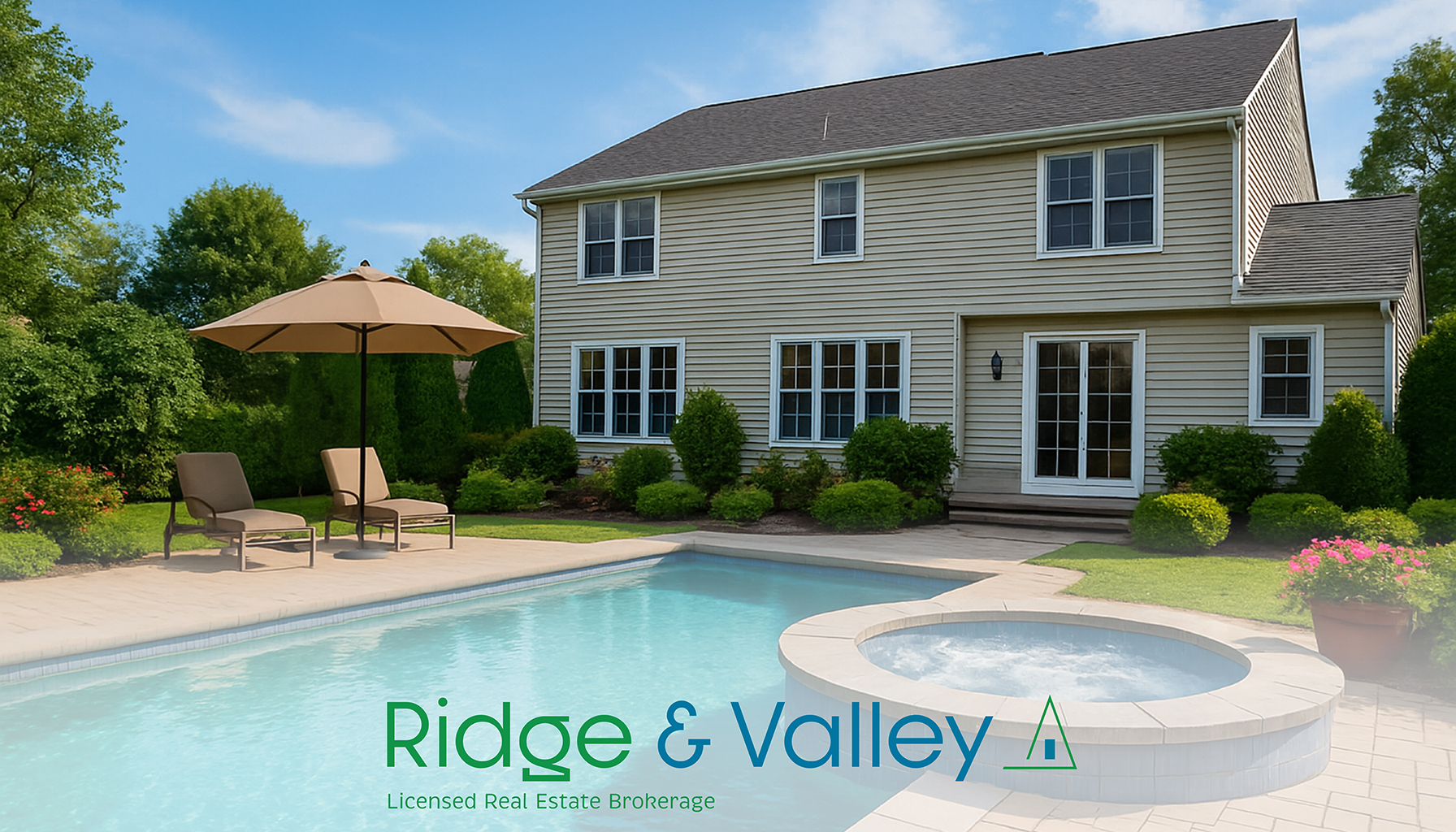
Pools and spas spark strong emotions; some buyers see a backyard oasis while others see upkeep and liability. For sellers, these features can be the standout attribute of a property or a sticking point during negotiations. In New York and New Jersey, where pools are seasonal luxuries and winters demand serious preparation, both buyers and sellers should tread carefully. Whether you're dreaming of poolside fun or preparing to list your home for sale, this guide offers practical, region-specific advice on how to maximize value, minimize liability, and make smart choices.
Understanding Pool and Spa Types
Not all pools and spas are created equal. Homebuyers and sellers should first understand what type of pool or spa they’re dealing with, as this affects everything from maintenance to marketability:
- In-Ground Pools: These permanent pools (typically concrete/gunite, vinyl-lined, or fiberglass) are common in upscale properties. They integrate with the landscape and often boost a home’s luxury appeal. In-ground pools are considered part of the real property and will transfer with the sale. They usually require more investment and maintenance, but also tend to be more attractive to buyers seeking a backyard oasis.
- Above-Ground Pools: An above-ground pool is a freestanding structure, usually vinyl-lined and supported by a frame. They are popular in parts of NY/NJ due to lower cost and easier removal. Above-ground pools might be considered personal property if not installed permanently, so clarify if it’s included in the sale. They can be a fun asset for families, but some buyers see them as less aesthetically pleasing or a space hog. Sellers should note that an older, dilapidated above-ground pool could be a liability – sometimes it pays to remove or replace it before listing.
- Hot Tubs and Spas: These can be standalone portable hot tubs or built-in spa units (sometimes integrated with an in-ground pool). In real estate terms, a built-in spa is part of the property, whereas a portable hot tub might be negotiable in the sale. Spas appeal to buyers who value year-round relaxation – indeed, a hot tub can be used even in a Northeast winter if properly maintained. Sellers should ensure any spa or hot tub is clean and in good working order (heater, jets, cover) to impress buyers.
Understanding the pool/spa type helps set expectations. For example, an in-ground pool in good condition can be a selling point, while an aging above-ground pool might not add value. Know what you have and its condition, so you can plan maintenance, pricing, or removal as needed.
Safety and Legal Requirements
Pools and spas come with serious safety responsibilities – and the law reflects that. Both New York and New Jersey have stringent pool safety codes to prevent accidents, especially drownings. Homeowners must ensure compliance, and home buyers should verify that any pool is up to code. Here’s what you need to know:
Fencing and Barriers: By law, residential pools in NY & NJ must be surrounded by an appropriate barrier. The Uniform Fire Prevention and Building Code in New York and the building codes in New Jersey require a fence or other barrier at least 4 feet (48 inches) high around all pools. The barrier must have self-closing, self-latching gates that open outward, and it should completely enclose the pool area to obstruct unsupervised access. In fact, the U.S. Consumer Product Safety Commission’s Pool Safely campaign emphasizes that a fence of at least 4 feet in height should surround the pool or spa on all sides, with a self-latching gate, as a crucial safety step. Keep in mind local towns can impose additional rules, always check your local county/city regulations.
Alarms and Covers: New York State law has an additional safety measure: pools built or substantially modified after 2006 must have a pool alarm that sounds if someone enters the water or alternatively, an approved automatic safety cover. Many towns in NJ also enforce use of pool alarms or door alarms for any home with direct access to a pool area. These devices provide extra layers of protection beyond fences. A sturdy, locking ASTM-compliant safety cover can also serve as a critical barrier when the pool is not in use. Buyers should ask if the pool comes with a safety cover or alarm system, and sellers would be wise to highlight these features in listings.
Electrical and Equipment Codes: Pools and spas involve electrical systems (pumps, lights, heaters) and thus must follow electrical safety codes. This includes proper bonding and grounding of the pool equipment to prevent shock, GFCI outlets for any pool lighting or nearby electrical receptacles, and compliance with utility clearances. Any pool on the property should have been built with the necessary permits and inspections to ensure these standards were met. Buyers, should be cautious with older pools that might not meet modern electrical codes.
Permits and Approvals: If a pool was installed without a permit, expect it to be a serious issue. Sellers should preempt this by ensuring all paperwork is in order: permits, final inspections, and any warranty info. Buyers should have their attorney confirm that the pool and any modifications are properly documented with the municipality.
Disclosure of Condition: Sellers need to disclose any known problems with the pool/spa. For example, if you’re aware the pool leaks water, if the heater is broken, or if the spa jets don’t work, it should be disclosed. New Jersey’s property disclosure form includes detailed questions about leaks, defects in pool walls or filter systems. NY’s disclosure form doesn’t list “pool” specifically, however the general duty to disclose latent defects still applies.
Local Safety Inspections: Some municipalities require a resale inspection or certificate of occupancy update when a home changes hands. In NJ, certain towns have a Continued Certificate of Occupancy (CCO) process where an inspector might check that the pool is fenced and meets safety codes. Not all towns do this, but it’s worth a seller checking local requirements ahead of time. Failing a CCO due to a missing pool gate can delay your closing.
Inspections
A dedicated pool or spa inspection goes far deeper than the brief glance a general home inspector might give your backyard oasis. In the Northeast—where freeze‑thaw cycles, heavy leaf fall, and long winter closures add extra stress on structures and equipment—an expert’s eye is invaluable. For buyers, hiring a licensed pool inspector (or a home inspector with certified pool training) provides a clear picture of condition and safety before you commit. The inspector should:
- Evaluate structure and finish. Concrete shells are checked for cracks or hollow spots; vinyl liners are inspected for tears, fading, or wrinkles; fiberglass pools are tapped for delamination.
- Pressure‑test plumbing and look for leaks. Even a slow, hidden leak can cause soil erosion and future settling.
- Run and document equipment performance. Pumps, filters, heaters, chlorinators, salt‑cells, automation systems, and spa blowers are cycled and measured for proper flow and amperage draw.
- Verify electrical safety. Bonding, grounding, and GFCI protection are confirmed; underwater lights are checked for insulation breakdown.
- Confirm code‑compliant safety measures. Inspectors measure fence height, gate latching, and examine drain covers for Virginia Graeme Baker (VGB) compliance.
- Assess decking and hardscape. Coping, pavers, and concrete are examined for trip hazards or freeze‑related heaving.
Sellers benefit from ordering this inspection before listing. A clean report becomes a marketing asset; a report with findings lets you fix problems—or price and disclose them intelligently—rather than face renegotiations under contract. If the pool is already winterized, plan ahead: buyers often negotiate an escrow holdback or a “spring‑open inspection” clause to verify functionality once the cover comes off. Document any professional chemical testing, leak detection, or repairs you complete; transparency breeds confidence and smoother closings.
Maintenance
Once inspections are behind you, consistent maintenance is what keeps a pool or spa sparkling and trouble‑free. In New York and New Jersey, where the swim window is short and winters are harsh, neglect can become costly fast.
Routine Care (May–September):
- Run the filtration system long enough to achieve a full water turnover—often 8–12 hours per day during peak heat.
- Test water chemistry at least weekly; adjust pH, total alkalinity, sanitizer (chlorine or salt‑generated), and calcium hardness to stay within manufacturer and health‑department guidelines.
- Skim, brush, and vacuum to control algae and staining; empty skimmer and pump baskets to maintain flow.
- Back‑wash or clean filter elements on schedule, and monitor pump pressure for signs of clogging.
Seasonal Chores:
- Opening: Remove and store the winter cover, reconnect plumbing, reassemble equipment, shock the water, and monitor for leaks as the system re‑pressurizes.
- Mid‑season tune‑ups: Inspect o‑rings, lubricate valves, and check heater burners or heat‑pump coils for efficiency.
- Closing/Winterization: Balance chemistry for long lay‑up, lower water below skimmer returns, blow out lines, add antifreeze where recommended, and install a secure safety cover. Proper winterization prevents freeze damage to pipes, fittings, and tile.
Preventive Upgrades:
Installing a variable‑speed pump, adding an automatic pool cleaner, or converting to salt‑generated chlorine reduces hands‑on labor and utility bills. LED lights, smart automation, and mesh safety covers provide convenience and peace of mind—amenities today’s buyers notice.
Record‑Keeping:
Keep a logbook or digital file of chemical readings, service receipts, and equipment warranties. Sellers can present this maintenance history as proof of diligent care; buyers who inherit such documentation start ownership on solid footing.
By pairing a meticulous inspection up front with disciplined maintenance throughout the year, pool and spa owners in the Northeast can enjoy crystal‑clear water all summer—and sleep soundly all winter—knowing their investment is protected and market‑ready whenever it’s time to sell.
Financing and Insurance Considerations
From a financial standpoint, pools and spas have a few implications worth noting. These concern home insurance, liability, and even how pools factor into appraisals and financing. Here’s what buyers and sellers should keep in mind:
Financing & Appraisal
Financing is straightforward, lenders treat an existing pool as part of the real estate, so no special mortgage product is required. The catch is appraisal. Appraisers assign value to pools, but rarely equal to their installation cost; sometimes only a modest premium is credited. If your offer price leans heavily on a lavish pool and the appraisal comes in lower, be prepared to renegotiate or bridge the gap with extra cash. Location matters: in luxury enclaves, a pool may be expected, while in starter‑home subdivisions, it may have marginal impact on property value.
Insurance
Insurers in New York and New Jersey classify pools and spas as “attractive nuisances,” which raises liability exposure and triggers safety requirements. Most carriers demand a code‑compliant, four‑foot fence with a self‑closing, self‑latching gate before they will bind or renew a policy. High‑risk extras—diving boards, tall slides, or unsecured drains—can lead to premium hikes, exclusions, or outright denial of coverage until corrected.
As soon as you go under contract, alert your insurance agent. Many carriers order an exterior inspection to confirm fencing, drain‑cover compliance, and properly bonded electrical equipment. Many pool owners add an umbrella policy for extra protection. Standard homeowner policies do cover damage to the pool shell or equipment from hazards such as fire or falling trees, but classifications vary: an in‑ground pool is usually listed as an “other structure,” while an above‑ground model may be treated as personal property. Both states impose a duty of care on property owners, and courts often hold pool owners responsible for injuries caused by inadequate barriers or supervision.
Marketing and Staging a Pool or Spa
A pool or spa can seal the deal—provided buyers see it at its best. In NY and NJ, that means marketing during the open season (late spring through early fall) and, whenever possible, showing the water running and sparkling rather than hidden beneath a winter cover. Below are practical steps sellers can take:
- Time Your Launch
If possible, list after the pool is opened for the season. Sun‑lit photos, a gentle fountain nozzle at work, or the spa bubbling softly add emotional pull that winter imagery can’t match. The key is letting buyers hear the water, smell the chlorine, and feel the deck warmth—sensory cues that convert curiosity into offers. - Create a Resort‑Clean Canvas
Skim, vacuum, balance. Crystal‑clear water is non‑negotiable, so keep the pump running on listing days and shock or clarify if cloudiness appears. Scrub tile lines, brush walls, and empty baskets. Power‑wash the deck or pavers, hose off furniture, and stow hoses and chemicals out of sight. Clutter kills curb appeal—store toys, floats, and maintenance tools neatly, or remove them altogether. - Stage for Lifestyle, Not Clutter
Place a pair of lounge chairs with fresh cushions and a small bistro table to suggest relaxation, not a storage zone. Add two or three low‑maintenance planters for color, but avoid blocking gates or fencing. If you own a fire pit, grill, or patio set, arrange them to frame social zones—buyers should imagine summer parties, not weekend chores. - Elevate Safety & Efficiency Features
Before showings, double‑check that the gate self‑latches and the fence meets code; buyers often jiggle the latch. If you have an automatic cover, demonstrate it briefly during tours. Replace broken pool lights with long‑life LEDs, label recently upgraded equipment (variable‑speed pump, salt system) with discreet tags or a laminated sheet by the equipment pad. These details reassure cautious buyers that care and energy savings are built in. - Document Upkeep & Upgrades
Gather permits, service invoices, and any transferable warranties in a binder by the kitchen counter. Include a one‑page “Pool Fast Facts” sheet—dimensions, construction type, year installed, date last resurfaced, and annual opening/closing dates. If summer utility bills are reasonable, leave copies; nothing quells cost concerns faster than proof. - Keep It Running During Showings
On open‑house day, open the spa cover or run the pool pump so water is visible and moving. Arrange rolled towels and stage cushions and umbrellas. Supervise access: a simple “Pool area shown by appointment—please wait for your agent” sign protects liability and signals professionalism.
By maintaining resort‑level cleanliness, showcasing live water features, and backing claims with records, you position the pool or spa as a value booster, maximizing buyer interest and boosting your property’s sale price.
Final Thoughts
Whether you’re plunging into homeownership with a pool or looking to make a splash in the real estate market as a seller, knowledge is your best ally. Pools and spas can absolutely add value, enjoyment, and a touch of luxury to a home – but they come with responsibilities and considerations that are crucial to address.
For sellers, the recipe for success is clear: ensure safety and compliance, keep the pool in tip-top shape, and present it as an asset, not a burden. Invest in that last bit of maintenance, gather your permits and records, and stage the area so buyers see a bonus, not a to-do list. Be ready to answer questions and perhaps negotiate solutions (credits, warranties) to make the buyer feel confident. Your goal is to convince them that your pool or spa isn’t a hole in the ground, it’s a well-maintained mini paradise that enhances the home.
For buyers, do your homework: inspect diligently, understand the upkeep, and factor in insurance or upgrade costs. Don’t be afraid to ask for documentation or professional evaluations of the pool. A house with a pool should be a source of joy, not anxiety – so make sure you know what you’re getting into. When a pool is properly cared for and set up with safety in mind, it can provide years of recreation and relaxation. But if there are unanswered questions or hidden defects, it’s better to bring them to light before you close the deal.
Buying or selling a home with a pool or spa means balancing the fun it promises with the diligence it requires. Do your homework, prioritize safety, and then dive in with confidence. With informed decisions today, you’ll be free to enjoy your private oasis for many seasons to come.
Happy home buying & selling from the team at Ridge & Valley Real Estate!
Disclaimer:
This article is for general informational purposes only and does not constitute legal, tax, investment, or financial advice. Real estate markets and regulations vary by location, and every person’s financial situation is unique. Consult with a real estate attorney, licensed financial advisor, or CPA before making major housing or financing decisions. While we strive to ensure the accuracy of the data herein, market conditions and regulations can change, and any figures, links, or statistics cited may be subject to updates.
Sources:
- New York State Department of State, Summary of Requirements for Swimming Pools and Spas
- Pool Safely (U.S. CPSC), Safety Barrier Guidelines
- New Jersey Seller’s Property Condition Disclosure Statement