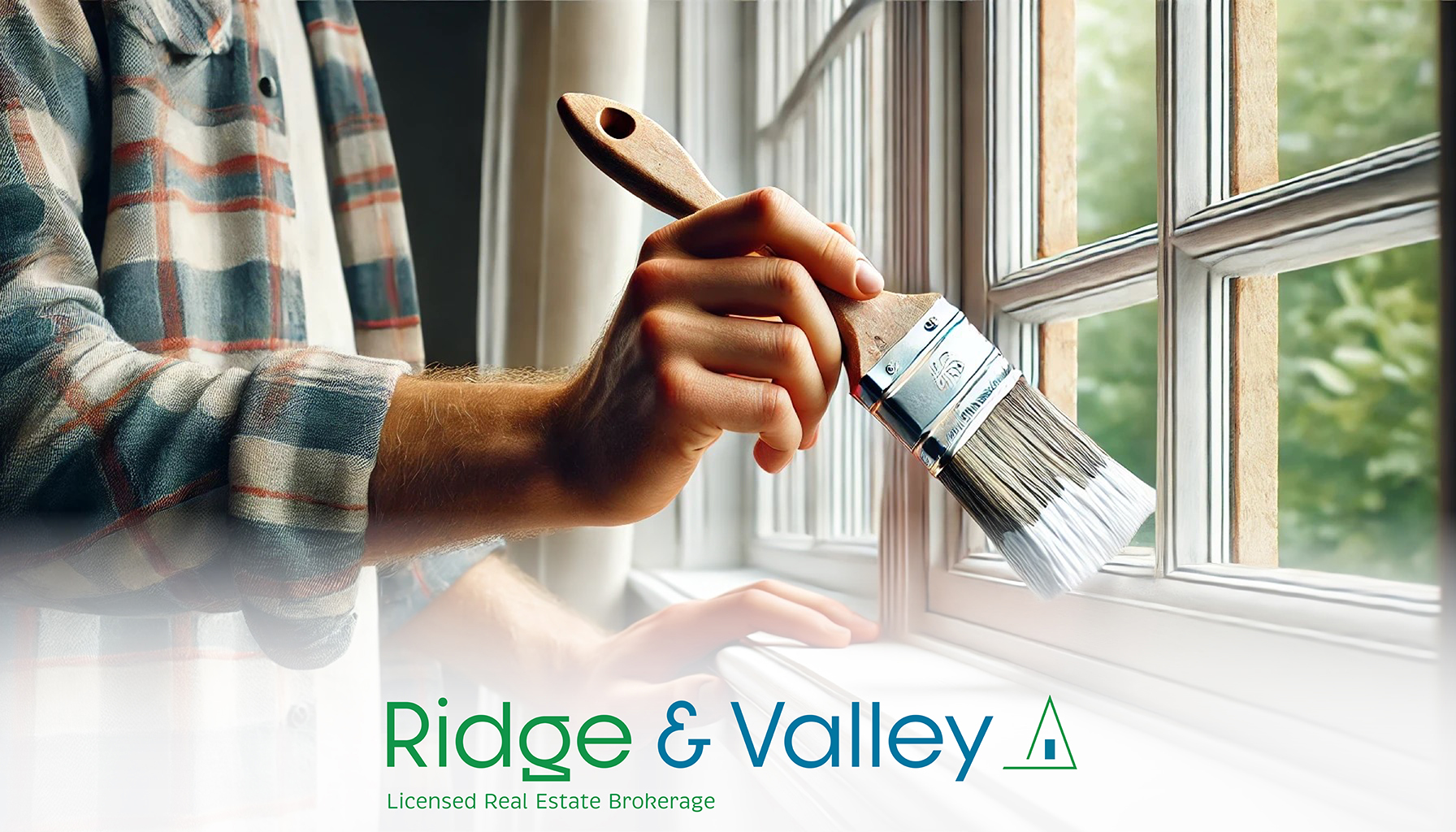
When preparing to sell a home, many sellers feel torn between completing large-scale renovations or listing the property “as is.” But research from the National Association of Realtors (NAR) indicates that smaller, targeted projects often provide the best bang for your buck. Instead of pouring tens of thousands of dollars into a top-to-bottom kitchen overhaul or adding another full bathroom, homeowners stand to benefit most by focusing on more modest upgrades: repainting rooms, repairing squeaky steps, replacing outdated light fixtures, and refreshing curb appeal.
Buyers look for properties that are move-in ready and won’t require immediate, costly interventions. Simple steps like fixing that leaky faucet or sprucing up the entryway can pay off by attracting more serious, higher-quality offers. Buyers form an opinion about a home within the first few minutes of walking through the door—if not sooner. A well-maintained property, even without expensive renovations, sets a positive tone that can translate into strong offers.
Buyer Psychology and Minor Upgrades
Homebuying isn’t purely logical; it’s deeply emotional. Buyers often fall in love with homes that “feel right.” This first impression is largely shaped by aesthetics, cleanliness, and perceived care. Chipped paint, musty odors, or visible signs of neglect raise red flags, prompting potential buyers to either discount the price or move on.
According to a 2022 survey by the real estate platform HomeLight, over 80% of buyers say they’re willing to pay a premium for a home that appears well-maintained and move-in ready (HomeLight Buyer & Seller Insights). Conversely, even minor cosmetic flaws can lower a buyer’s confidence about the property’s condition.
Small Projects with High-ROI
Research shows that small improvements can yield exceptionally high returns—often higher than large, more expensive renovations (2024 Cost vs. Value Report).
Refreshing Paint
· Why It Matters: Walls occupy the largest visual space inside a home. Scratches, scuffs, nail holes or outdated colors can influence a buyer’s perception. A fresh coat of paint can immediately update your properties’ look.
· Cost and ROI: Interior painting typically costs between $2,000 and $5,000 for a mid-sized home, depending on whether you do it yourself or hire professionals. According to the Remodeling Impact Report by NAR, you can expect to recoup around 107% of the cost at resale.
· Practical Tips:
- Choose neutral shades like soft whites, beiges, and grays to appeal to a wide audience.
- Don’t forget ceilings and trim, which can show age if left untouched.
- If you’re painting yourself, invest in quality brushes and rollers; a sloppy paint job can hurt more than it helps.
Refinishing Hardwood Floors
· Why It Matters: Hardwood floors are highly coveted in many markets. Worn or scratched floors can be a big turn-off, while refinished floors give an impression of cleanliness and quality.
· Cost and ROI: Floor refinishing costs roughly $2,000–$4,000, depending on the size of the area. Homeowners typically see about a 147% return on that investment, according to the Remodeling Impact Report by NAR, making it one of the highest-ROI projects.
· Practical Tips:
- Hire professionals if you’re unsure about your DIY skills; refinishing floors requires specialized equipment and technique.
- Consider staining your floors in a classic medium tone that won’t go out of style.
- Avoid extremely dark stains, which can show scratches and dust more readily, or extremely light stains that may show wear in high-traffic areas. A clear polyurethane surface finish over natural wood is always a safe and crowd-pleasing option.
Upgrading Entry Doors
· Why It Matters: The front door creates a crucial first impression. When buyers arrive for a showing, the entryway is the first thing they see up close.
· Cost and ROI: Replacing a dated front door with a steel or fiberglass model typically costs between $1,500 and $3,000. According to the 2024 Cost vs. Value Report, the ROI can exceed 150%. If a complete replacement is out of reach, a fresh coat of paint and updated hardware can still significantly enhance curb appeal.
· Practical Tips:
- Choose a style and color that complements your home’s exterior.
- Ensure the lockset is updated and functions smoothly—jiggly or loose locks can raise concerns about overall home maintenance.
Landscaping and Curb Appeal
· Why It Matters: Curb appeal heavily influences buyer perception. A well-landscaped front yard signals pride of ownership and suggests the interior is equally well maintained.
· Cost and ROI: While the ROI can vary widely, a well-landscaped home can sell for up to 7% more, according to multiple real estate studies (for instance, HomeLight Buyer & Seller Insights). Simple improvements—mowing the lawn, trimming shrubs, adding mulch, and planting flowers—are low cost but high impact.
· Practical Tips:
- Focus on “framing” the house with neatly trimmed bushes, trees, and borders.
- Seasonal flowers or planters near the entry can provide a cheerful pop of color.
- Remove dead branches or trees, especially if they pose a safety risk or block the home’s visibility from the road.
- Power-wash sidewalks, driveways, and siding to remove mold, mildew, and grime.
Updating Lighting and Hardware
· Why It Matters: Outdated light fixtures or old-fashioned faucets can make a home feel stuck in a past decade. Updated lighting, faucets, door knobs, and cabinet handles project a fresh, cohesive style.
· Cost and ROI: This improvement can cost just a few hundred dollars if you select mid-range fixtures. While the exact ROI is hard to quantify, lighting and hardware updates are prime ways to modernize a home affordably.
· Practical Tips:
- Choose fixtures with clean, timeless designs—avoid overly trendy pieces.
- Opt for LED bulbs that emit soft, warm light and offer energy savings. Look for bulbs with a 3000 to 3500 Kelvin color temperature. Do not mix bulbs of different colors or brightness.
- If you’re changing cabinet hardware, ensure the new pieces fit the existing hole spacing to simplify installation.
Minor Kitchen & Bath Refreshes
· Why It Matters: Kitchens and bathrooms are high-priority areas for buyers. Fortunately, you don’t need a full remodel to create a positive impression. Cosmetic updates can go a long way in modernizing these spaces.
· Cost and ROI: Minor kitchen and bath improvements—like painting cabinets, adding a new backsplash, updating faucets, or replacing outdated appliances—often yield around 90–100% ROI, according to both the 2024 Cost vs. Value Report and the Remodeling Impact Report by NAR. Major remodels, on the other hand, can have a lower relative return.
· Practical Tips:
- Consider painting or refacing cabinets instead of replacing them entirely.
- Swap out older faucets for sleek, modern versions.
- Replace or re-glaze outdated tile grout to make surfaces appear clean and fresh.
- Upgrade appliances only if they’re significantly dated; otherwise, just ensure they’re spotless and in good working order.
Deep Cleaning & Odor Removal
· Why It Matters: Odors or visible dirt can turn off buyers immediately. A thorough cleaning can leave your home feeling brighter, larger, and more inviting.
· Cost and ROI: A professional deep clean generally costs $300–$600, according to various home services cost guides like Angi or HomeAdvisor, and it can substantially improve buyer perception. While not measured in ROI percentages, a spotless home often attracts higher offers simply by eliminating distractions that reduce a home’s perceived value.
· Practical Tips:
- Pay special attention to carpets, upholstery, and pets’ favorite spots. If carpets are badly stained or worn – consider replacement.
- Open windows to air out stale or musty areas.
- Replace or wash curtains and blinds that may harbor dust and odors.
- Don’t forget details like switch plates, baseboards, and inside drawers.
Routine Maintenance and Repairs
· Why It Matters: Many small repairs—like fixing leaky faucets, tightening loose hardware, or sealing drafty windows—send a strong signal of responsible homeownership. Records of routine maintenance on mechanical & plumbing systems reassure buyers that expensive components have been cared for properly.
· Cost and ROI: The cost depends on how much deferred maintenance has piled up. While intangible, the payoff of addressing maintenance is high: fewer red flags for buyers and inspectors means smoother negotiations.
· Practical Tips:
- Have a professional service your HVAC system.
- Service your septic system & water treatment equipment (if applicable).
- Have your fireplace & chimney cleaned and repaired (if applicable).
- Inspect and clean gutters to prevent water damage.
- Address roof issues promptly; a small leak can balloon into a major concern.
- Ensure safety features like smoke and carbon monoxide detectors are in working order.
Crafting a Pre-Listing Strategy
Budgeting & ROI Prioritization
A comprehensive approach to small-scale improvements starts with setting a realistic budget. Aim to invest in projects known for high returns, such as painting, flooring, and curb appeal. A 2022 survey by Zillow found that home sellers typically spend $5,400 on average to get their properties market-ready. Given that the median list price in 2022 was $415,000 (FRED), sellers should expect to invest between 1-2% of list price on pre-marketing readiness projects. Resist the urge to overspend on features or finishes that might not resonate with the local market.
Allocation Example:
- Painting & Repairs: ~40% of your pre-listing budget
- Landscaping & Curb Appeal: ~30%
- Kitchen & Bath Minor Updates: ~20%
- Misc. Upgrades (Lighting, Hardware): ~10%
These percentages are simply illustrative; you should tailor your budget to your home’s specific needs. For instance, if your hardwood floors are heavily worn, a larger share might go towards refinishing.
Timeline (6–12 Months Out)
Preparation is key—rushed improvements often cost more and lead to subpar results. Plan your pre-listing tasks early to avoid stress and ensure each project is completed thoroughly.
6–12 Months Before Listing:
- Conduct a thorough walkthrough, noting needed repairs or updates.
- Decide which projects to tackle personally and which require a professional.
- Begin decluttering to make future cleaning and repair projects easier.
3–6 Months Before Listing:
- Schedule contractors for high-ROI tasks like floor refinishing or door replacements.
- Start DIY projects (e.g., painting, hardware updates) in less frequently used spaces.
- Continue routine maintenance (HVAC, gutters, etc.).
1–2 Months Before Listing:
- Complete landscaping improvements and final curb appeal touches.
- Deep clean the interior and address any lingering odor or cosmetic issues.
- Invite a real estate agent to walk through and give final advice.
1–2 Weeks Before Listing:
- Do a final cleaning sweep, focusing on details like windows, blinds, and closets.
- Ensure all systems (lighting, HVAC, plumbing) are functional and well-maintained.
Documenting Improvements
Keep a record of all receipts (especially service receipts for major systems) and before-and-after photos. During open houses or private showings, showcasing your proactive upkeep can help justify your asking price. A simple folder on your countertop labeled “Home Updates & Maintenance” can provide prospective buyers with immediate peace of mind.
Engaging Professionals
While many small-scale projects lend themselves to do-it-yourself efforts, consulting local experts can save time and money. Real estate agents familiar with your neighborhood’s expectations can steer you towards cost-effective upgrades. Likewise, hiring professional handymen or contractors ensures tasks like electrical repairs are handled safely and up to code.
Common Mistakes to Avoid
- Over-Personalization: Painting your living room bright red might suit your taste, but it alienates a large swath of buyers. Stick to neutral, widely appealing colors.
- Neglecting Curb Appeal: All the interior updates in the world won’t matter if buyers are unimpressed from the curb. Ensure the yard, walkway, and entry are welcoming.
- Ignoring Pet or Smoking Odors: Lingering smells can be a deal-breaker. Invest in professional cleaning, and consider using air purifiers if needed.
- Skimping on Quality: Cheap updates can do more harm than good if they visibly break or wear down quickly.
- Not Addressing Maintenance Red Flags: A leaky roof or outdated electrical panel will likely emerge during inspection, so it’s better to address these issues proactively if they’re minor enough to fix without straying into “major” project territory.
- Putting Off Repairs Until the Last Minute: Delaying essential fixes can create a frantic, stressful pre-listing rush—and possibly higher costs.
Final Thoughts
Small-scale improvements are the unsung heroes of pre-listing prep, offering potentially outsized returns for comparatively low costs. By focusing on key areas such as interior paint, flooring, curb appeal, and routine maintenance, you can greatly enhance your home’s allure without risking over-improvement. In many cases, these updates don’t just add financial value; they help buyers connect emotionally with your property, increasing the likelihood of multiple strong offers.
Moreover, a meticulous approach—backed by careful planning, thoughtful budgeting, and expert input—ensures that the final presentation of your home resonates with today’s discerning buyers. Whether you’re in a buyer’s market or a seller’s market, a well-maintained, fresh-feeling property commands a premium. Don’t underestimate the power of a new coat of paint, a polished front walkway, or the absence of squeaky doors.
If you’re considering listing within the next year, start planning these small projects now. By spreading out the work and expenses over several months, you’ll present a polished, move-in-ready space without draining your resources. Potential buyers will thank you with higher offers, shorter negotiation timelines, and smoother transactions.
Happy home selling from the team at Ridge & Valley Real Estate!
Disclaimer:
This blog post is for general informational purposes only and does not constitute legal, tax, investment, or financial advice. Real estate markets and regulations vary by location, and every person’s financial situation is unique. Consult with a real estate attorney, licensed financial advisor, or CPA before making major housing or financing decisions. While we strive to ensure the accuracy of the data herein, market conditions and regulations can change, and any figures, links, or statistics cited may be subject to updates.